Opt-in
You choose what enters.
You provide a curated set of works. No crawling, no mystery dataset, no "trust us bro" intake pipeline.
SD-SPIF gives artists an opt-in way to turn a protected visual language into a live instrument for rooms, screens, performances, and immersive experiences.
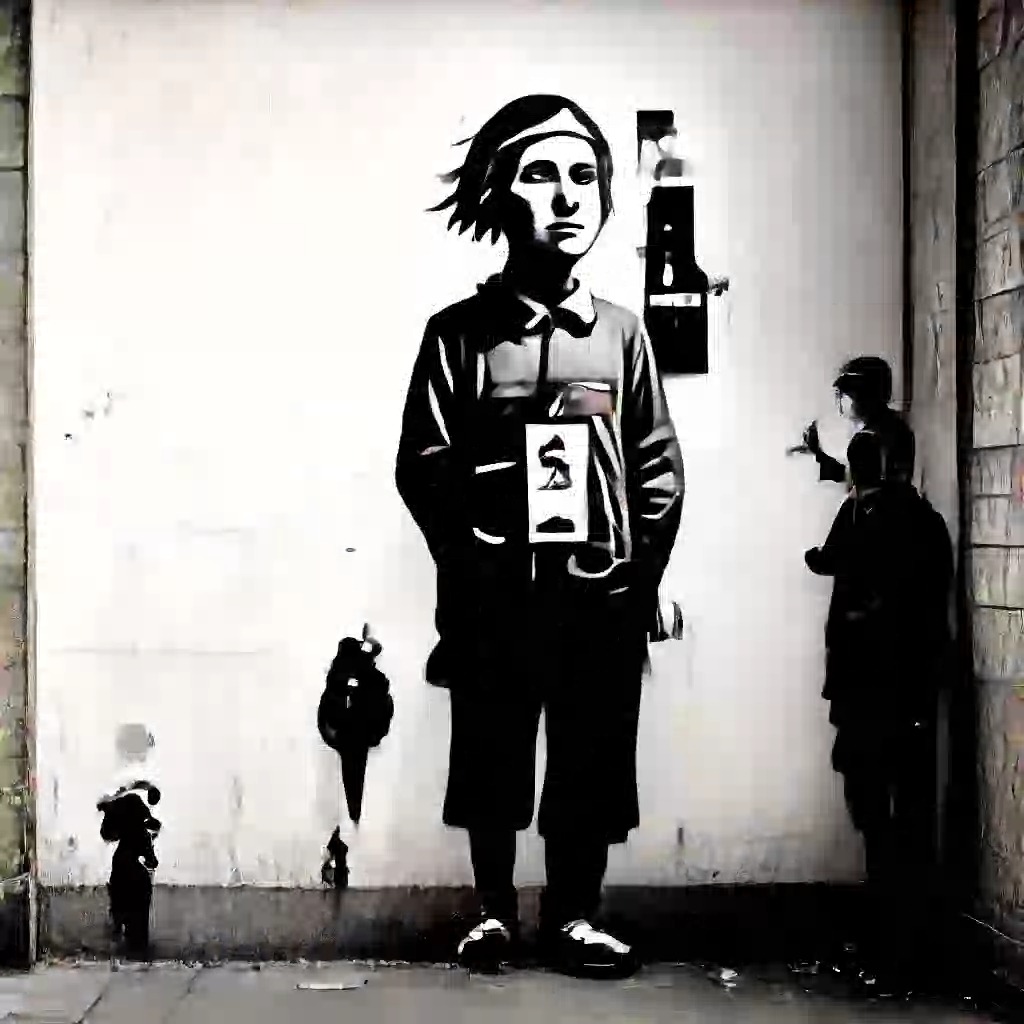 Artist style
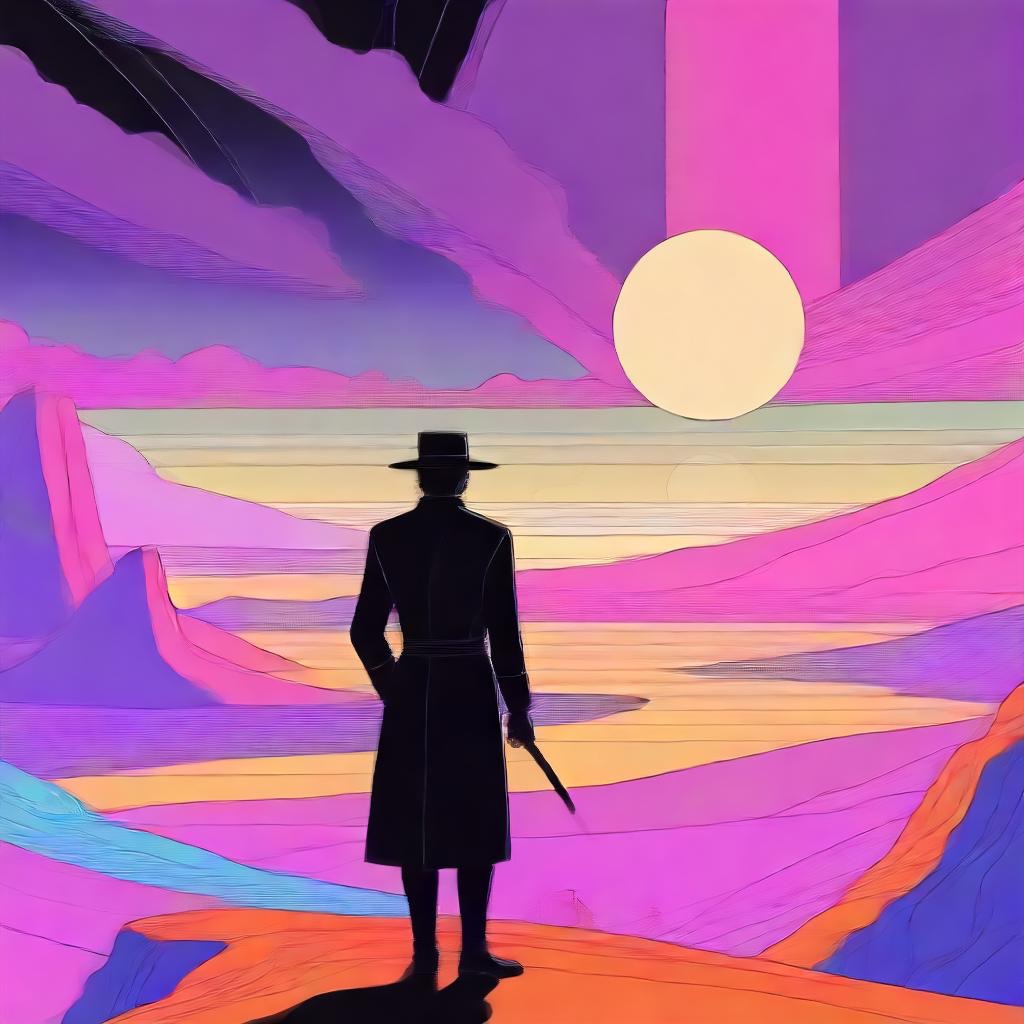 Scene anchor
 Dream stream
A Stylus is an opt-in model shard shaped around one artist's visual language. It lets people experience your style live while keeping ownership, attribution, and control attached to you.
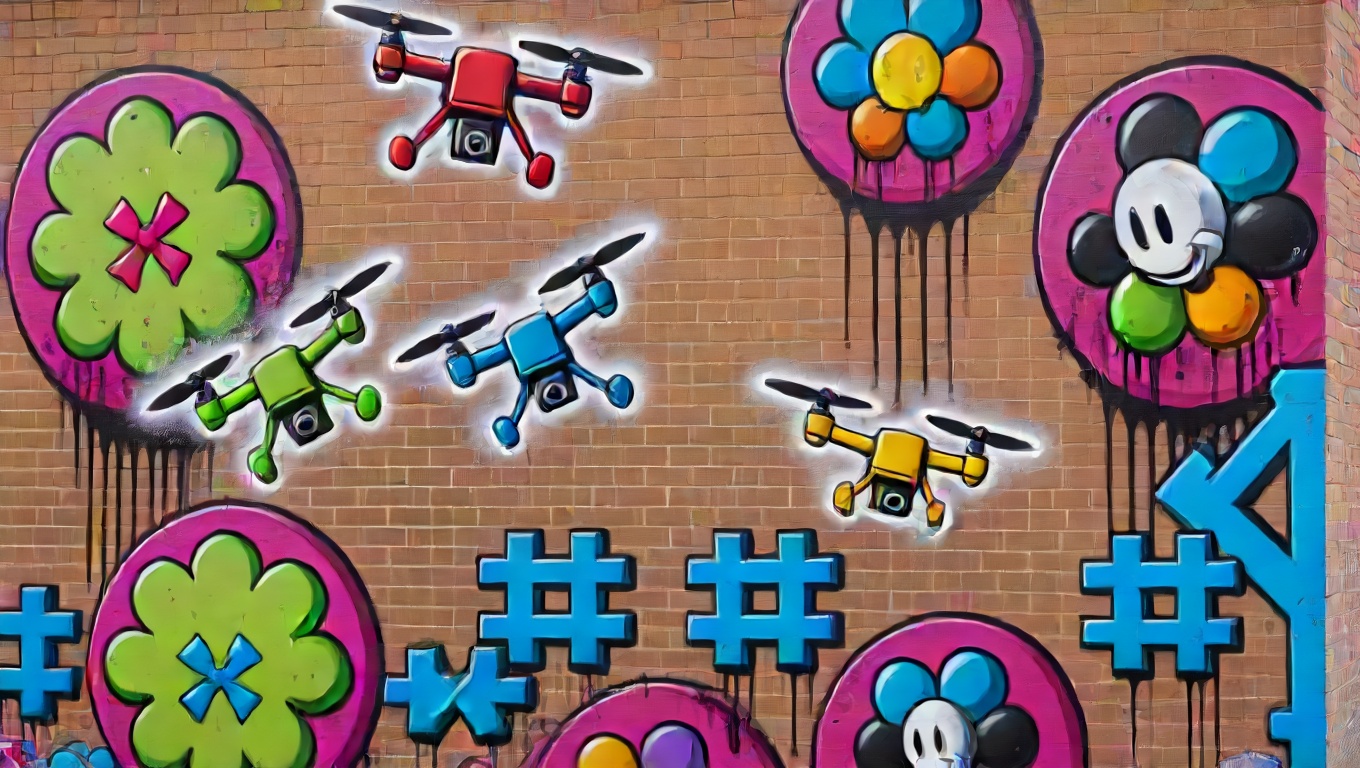 Visual world
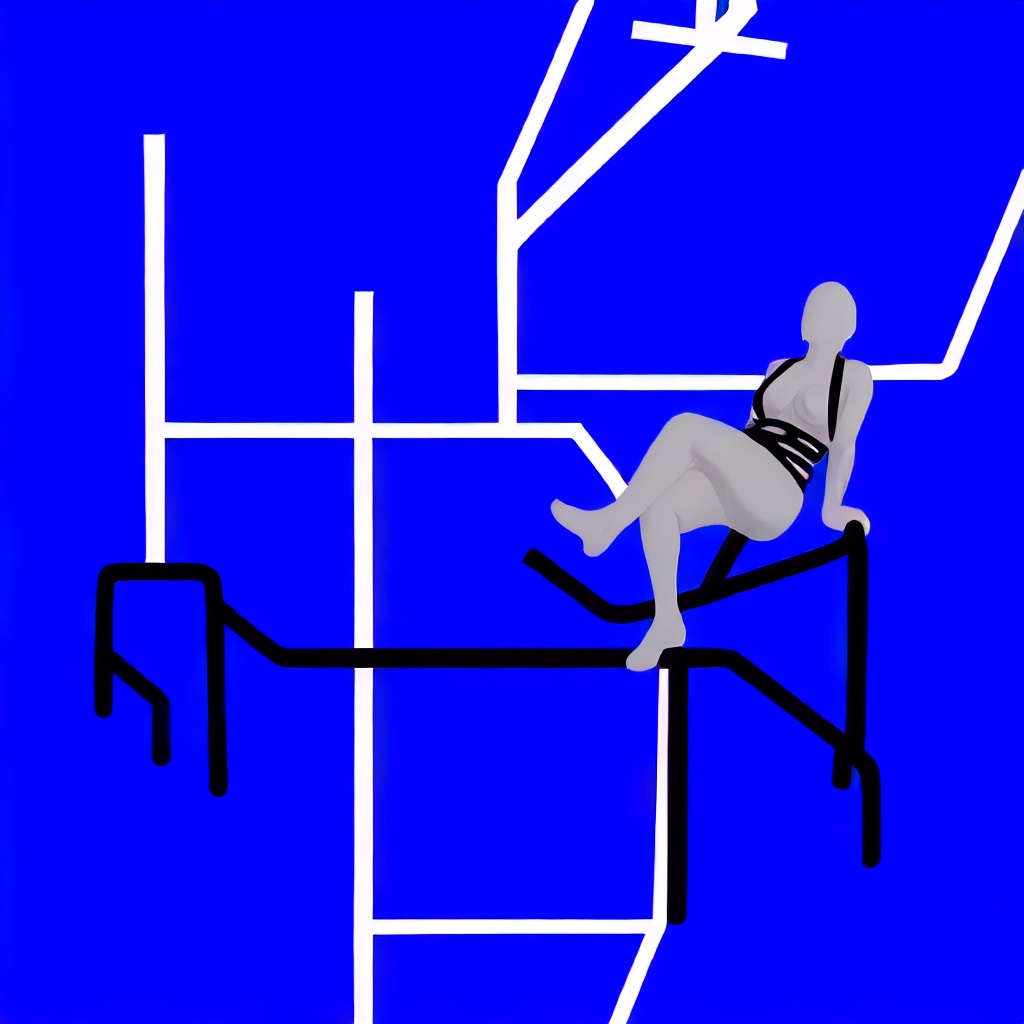 Style lock
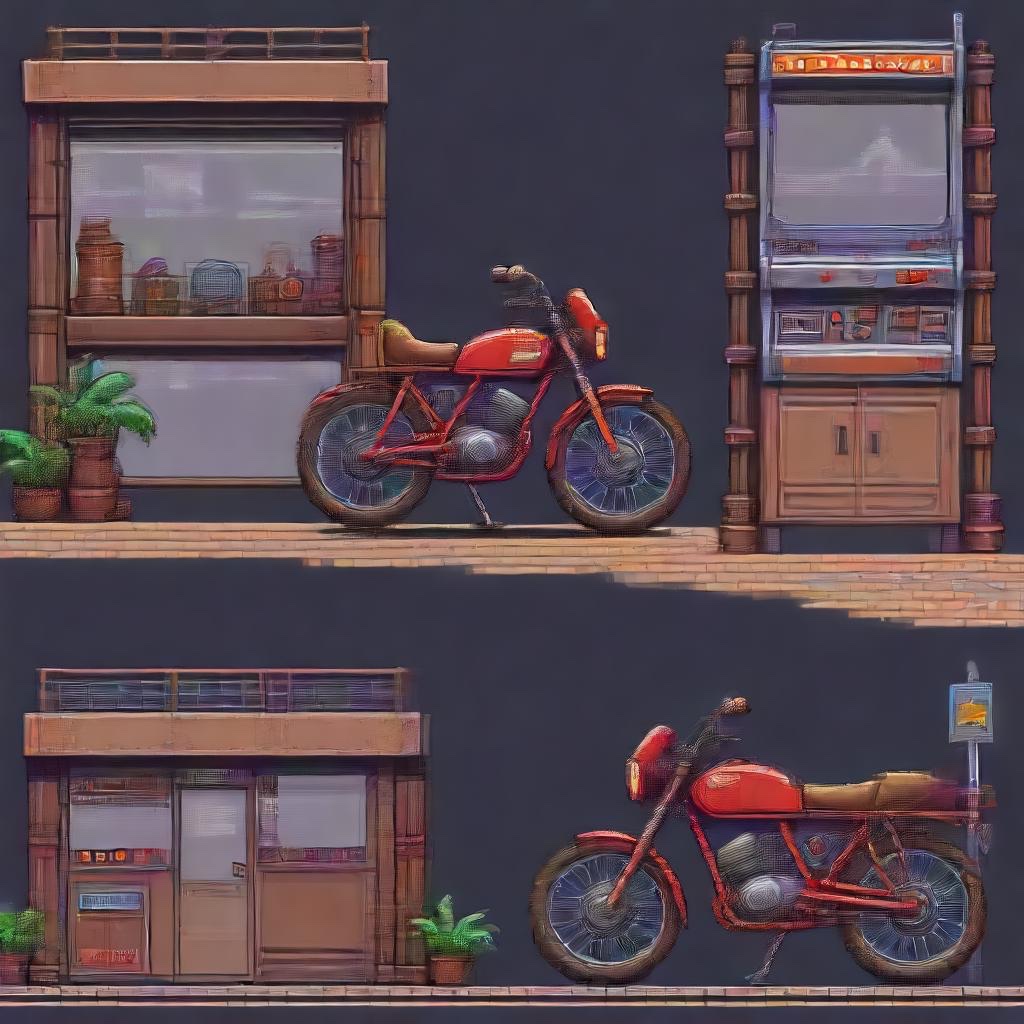 Live output
You provide a curated set of works. No crawling, no mystery dataset, no "trust us bro" intake pipeline.
The system is built around style isolation, so your visual identity is not casually blended into someone else's output.
SD-SPIF licenses use of the Stylus. You do not hand over ownership of your work or your creative identity.
If the relationship stops making sense, the Stylus can go offline. Very radical idea: consent remains useful after launch.
SD-SPIF is built for live visual experiences: concerts, installations, streams, classrooms, gallery rooms, and brand spaces that want style to feel alive instead of wallpapered onto a screen.
Your style can become a living room-scale experience, not just a flat image on a feed.
When your Stylus is used, the royalty model is designed to keep the artist in the economics.
Users interact through SD-SPIF experiences; they do not download or merge your Stylus.
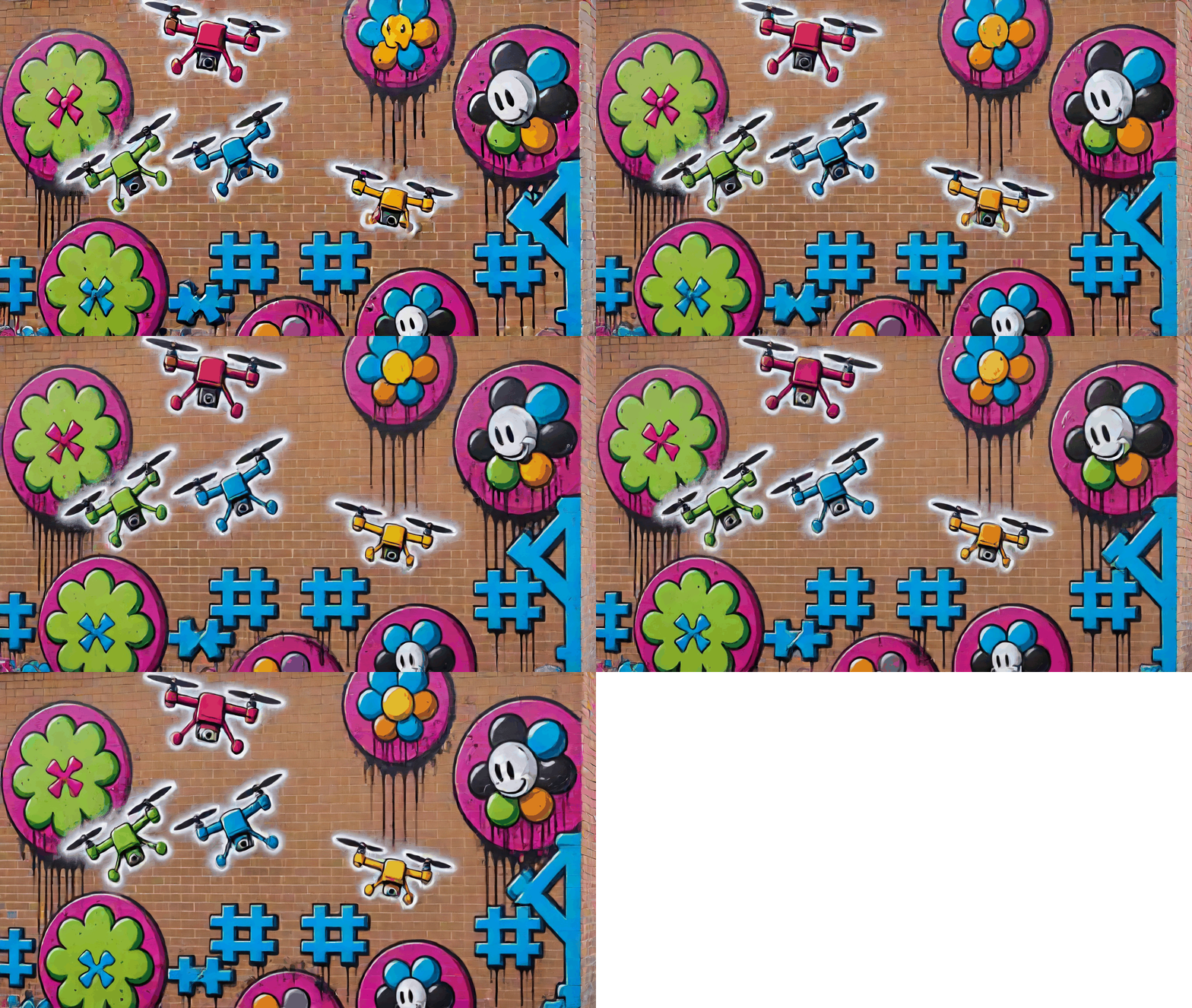
The artist process is built around curation and consent first, then live deployment. No scavenger-hunt dataset building required.
You choose the images that best represent the visual language you want SD-SPIF to learn.
SD-SPIF creates a protected style instrument designed for real-time use, not public model trading.
You see what the Stylus does before it becomes part of live experiences.
Your style can power rooms, screens, streams, and installations while attribution and usage stay connected.
Good artist tooling is not just a royalty paragraph. It is clear boundaries, real revocation, controlled distribution, and a product that treats style like a licensed creative asset.
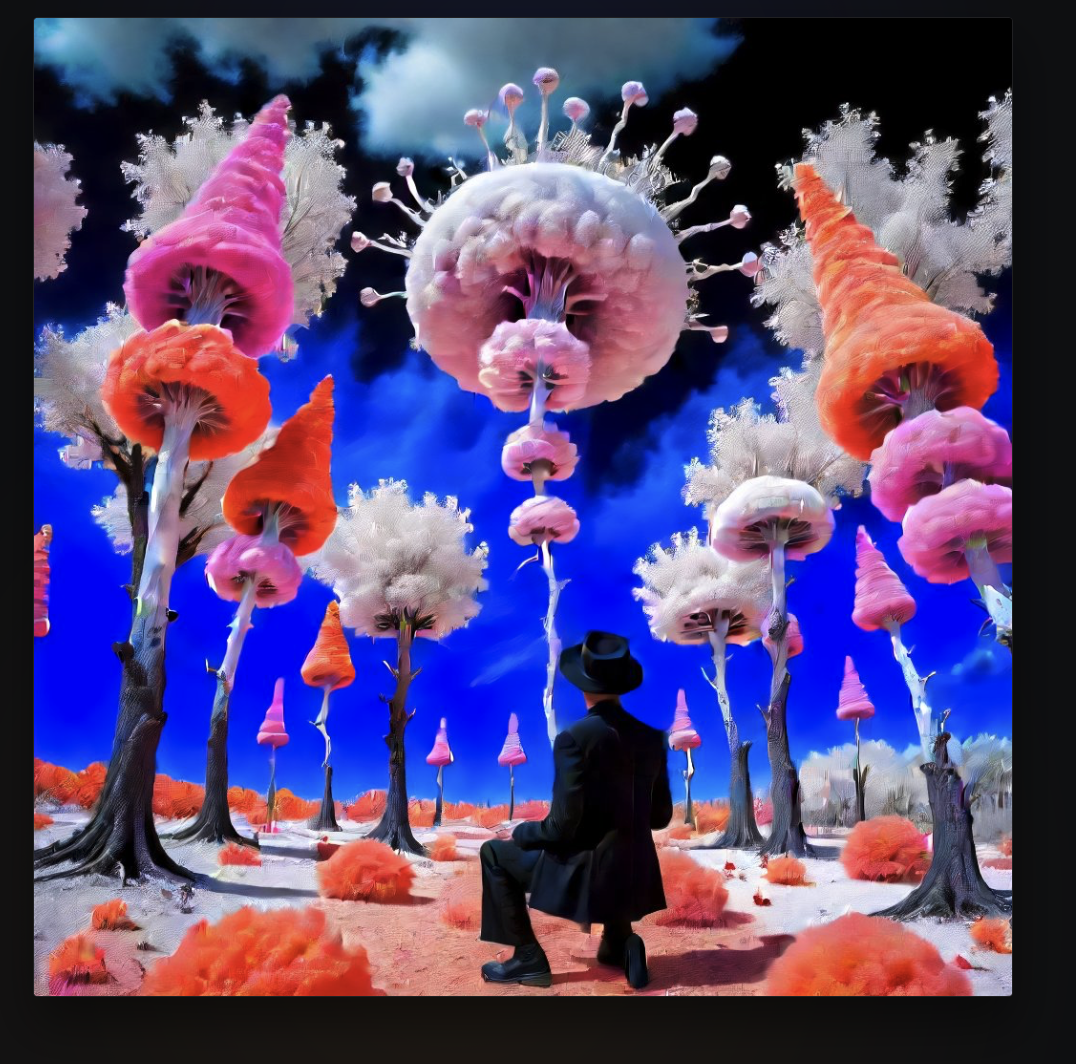
Participation starts with a curated artist-provided set, not a sweep through the open web.
Users can experience it, not extract it, merge it, or pass it around as a model file.
Revocation matters because artists are people, not permanently exploitable training ingredients.
Ownership, royalties, security, estates, technical constraints, and the obvious "how is this not AI art theft with better manners?" question.
Who owns the Stylus, what revocation means, and how usage boundaries are handled.
Read rightsHow artist royalties are intended to work and why usage should stay visible.
Read moneyHow SD-SPIF keeps style isolated and fast enough for real-time rooms.
Read techCall SD-SPIF Labs to talk through artist onboarding, Stylus licensing, and whether your work fits the first artist cohort.